History
Origins and Early Development
The history of Plassey Mills is closely connected with the development of milling along the River Shannon and the economic growth of Limerick during the nineteenth century. Although the surviving ruins belong to a much larger industrial complex, milling activity in the area may date back considerably further. Historical records, including the Down Survey of 1654–56, refer to a mill at nearby Sreelane, which may have preceded the later Plassey Mills [1].
The principal mill was established between 1823 and 1824 by the Hedges-Maunsell family, with Major Robert Hedges Maunsell overseeing its development. Its position on the southern bank of the Shannon provided access to water power, essential for operating the machinery. An extensive millrace was constructed to channel water towards the complex, running for much of its length through what are now the grounds of the University of Limerick. The system took advantage of the natural fall of the river to supply the mill with the power required for its operations [1].
Industrial Expansion and the Fire of 1841
Plassey Mills developed into an important milling enterprise, benefiting from its location beside the Shannon and its connections with the local navigation network. The adjoining towpath formed part of the route used by horses and workers to pull barges along the river, while improvements to the waterway facilitated the movement of goods. The Plassey Canal, for which public funding of £1,504 was granted in 1829, formed part of these efforts to improve access and navigation [1].
In the early 1840s, the mill was associated with the Harvey family, who operated the business under a lease from Robert Hedges Eyre Maunsell. However, in February 1841, a devastating fire destroyed much of the building and its machinery. The damage was extensive, but reconstruction began soon afterwards, under the direction of architect John Fogarty, and the mill resumed production in October of the same year [1], [2].
During the nineteenth century, the complex passed into the hands of the Russell family, prominent millers in Munster. Richard Russell subsequently undertook improvements to the enterprise, helping to maintain its industrial importance. The business continued to operate for several decades, although increasing competition and changes in the milling industry eventually contributed to its decline [1].
Architecture and Decline
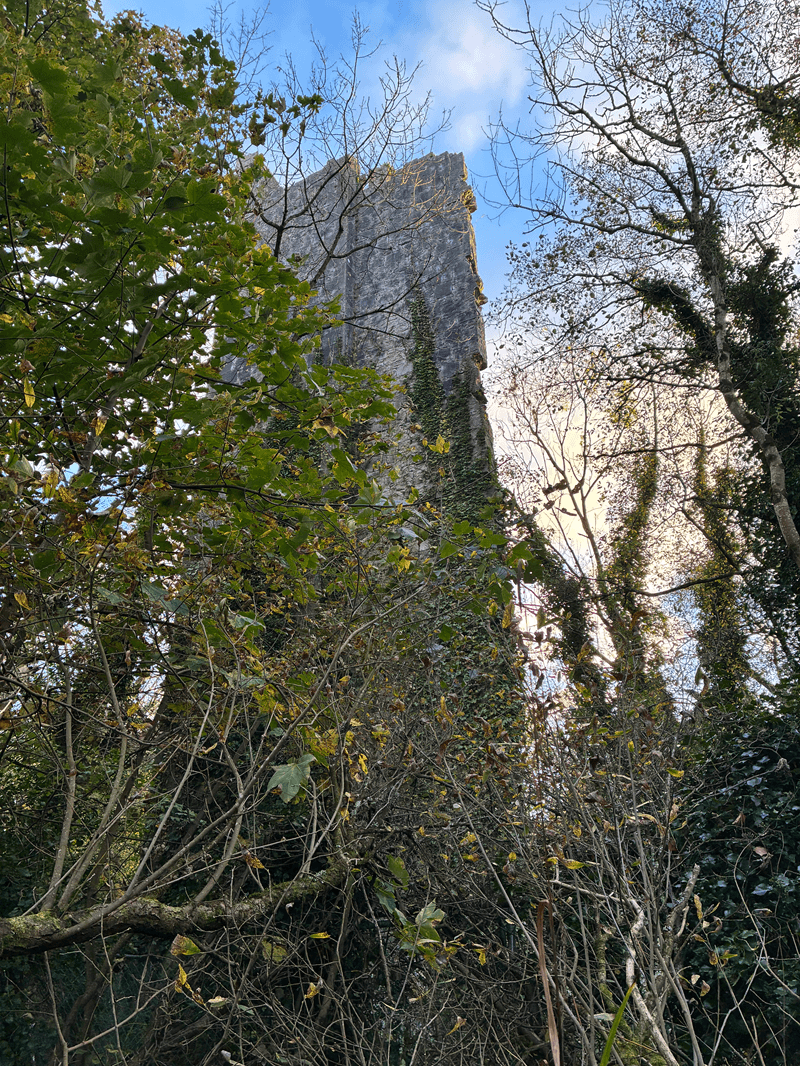
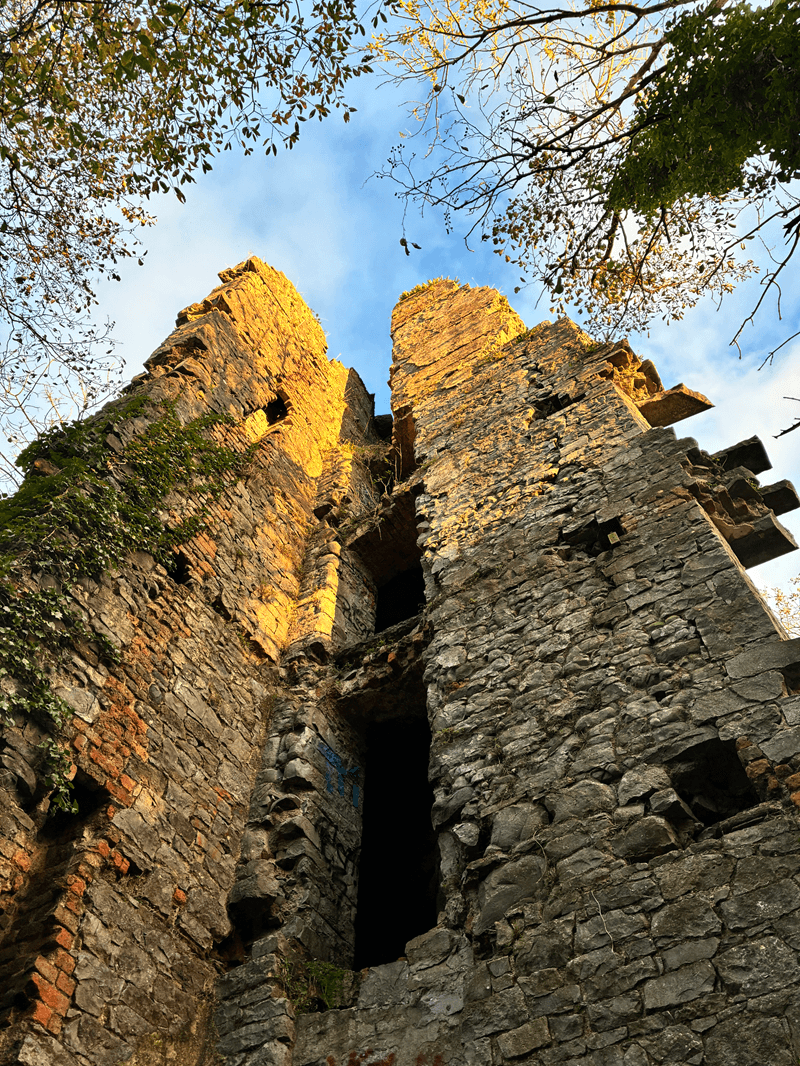
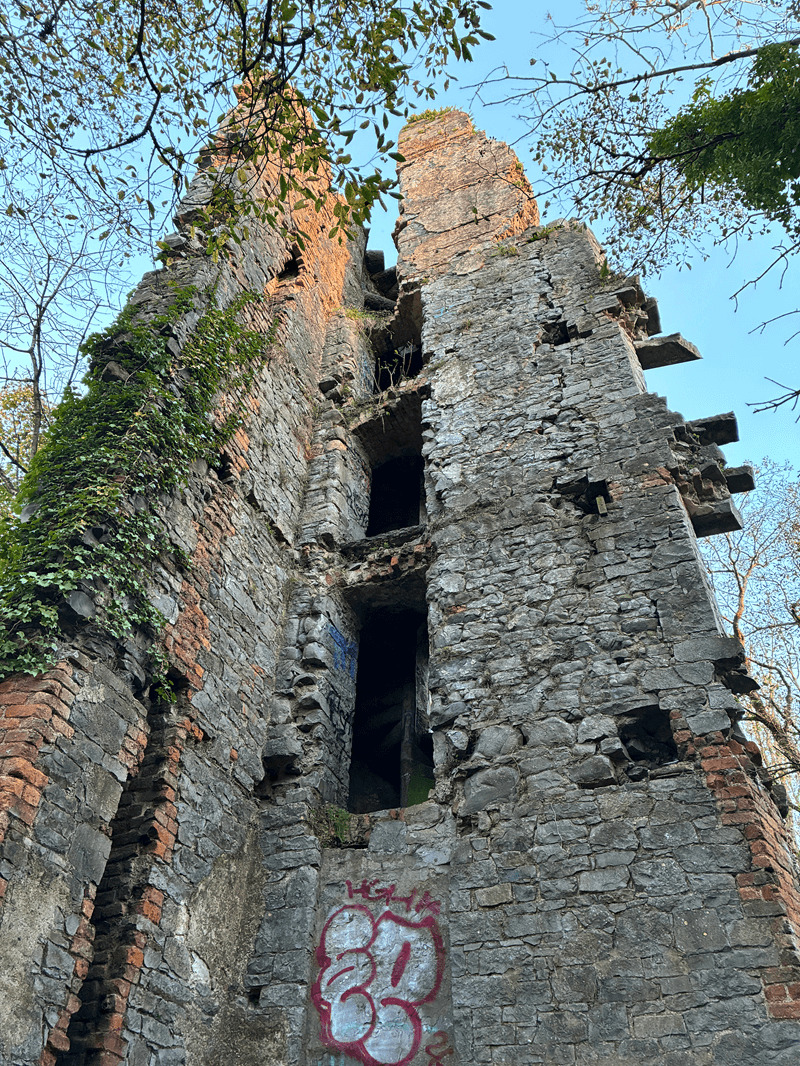
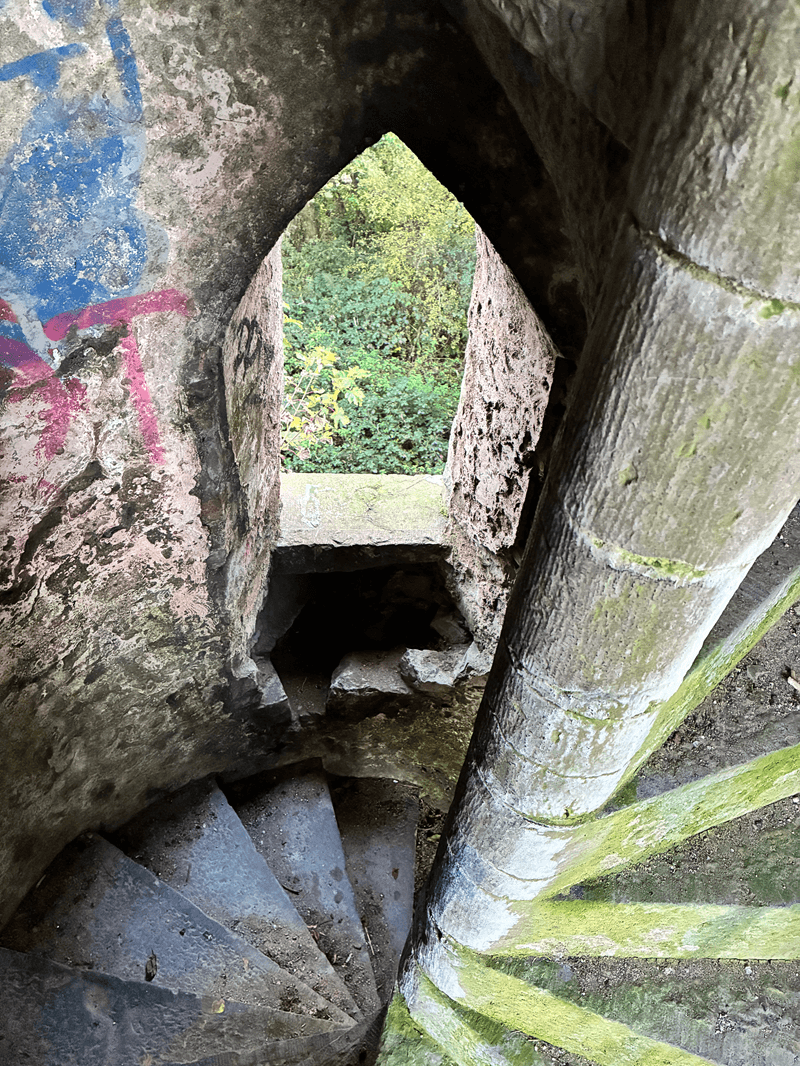
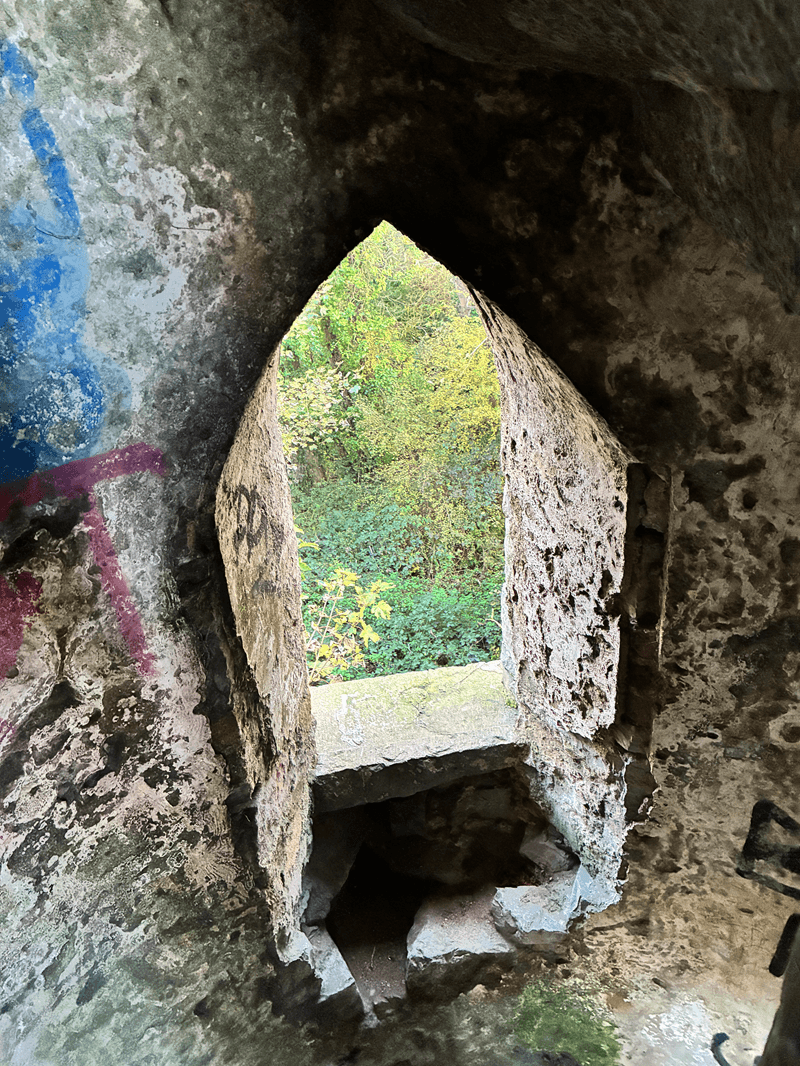
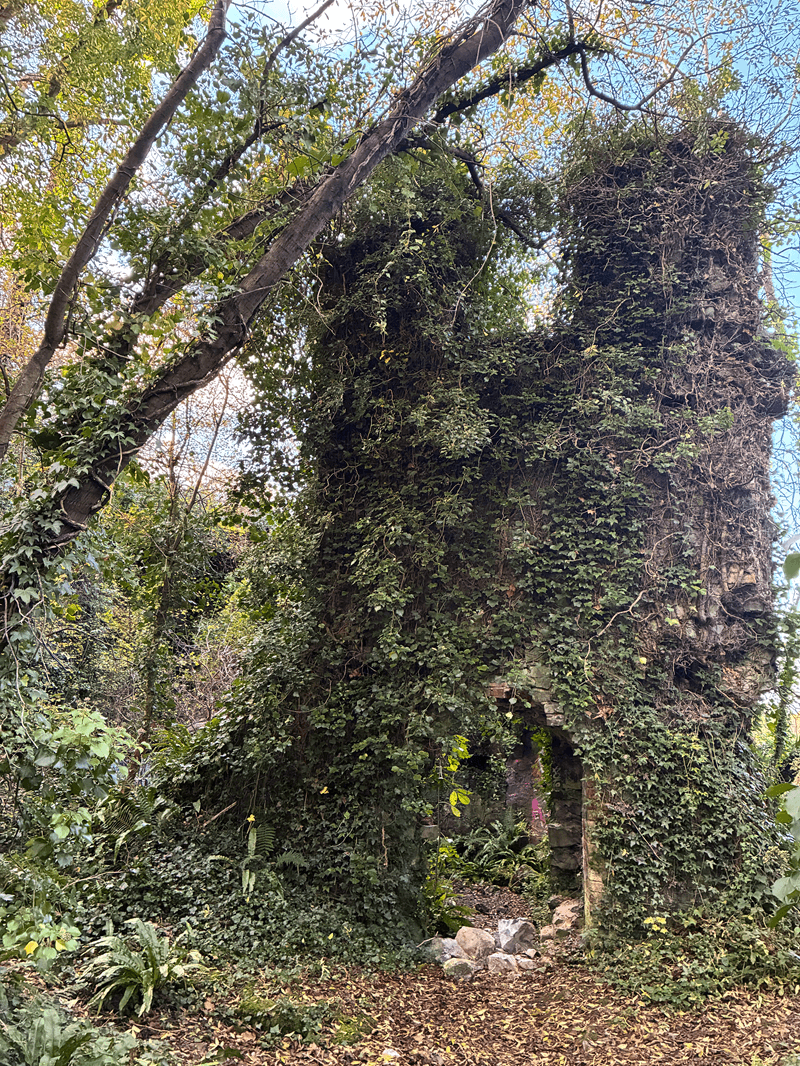
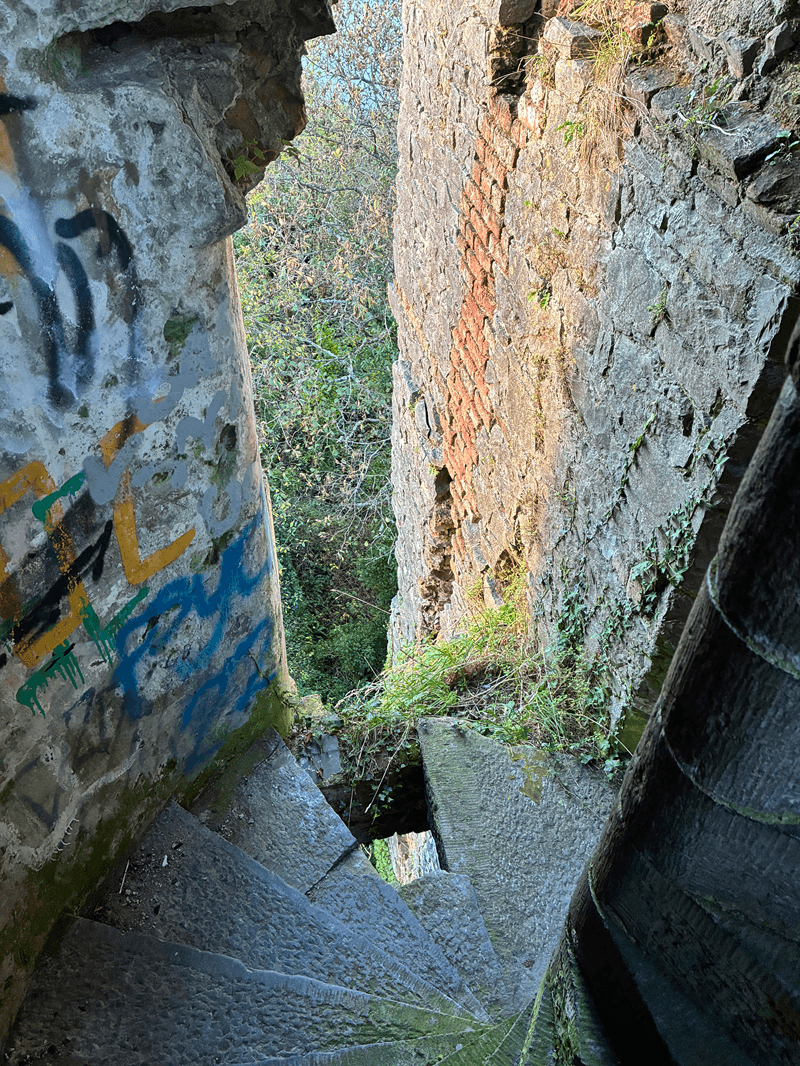
Following its reconstruction, Plassey Mills became an impressive six-storey industrial building, with six bays and walls predominantly constructed of squared limestone rubble. Red-brick details complemented the stonework, while dressed limestone window surrounds and decorative mouldings added refinement to its appearance. One of its most distinctive features was a corner tower containing an internal spiral staircase. The building also incorporated mock battlements and other details that gave it an unusual fortified appearance, perhaps explaining why the surviving tower can easily be mistaken for part of a medieval castle. An armorial plaque bearing the arms of Limerick City and a dedication dated 1643 was also incorporated into the building. It had originally belonged to Munster Gate in Limerick City [2].
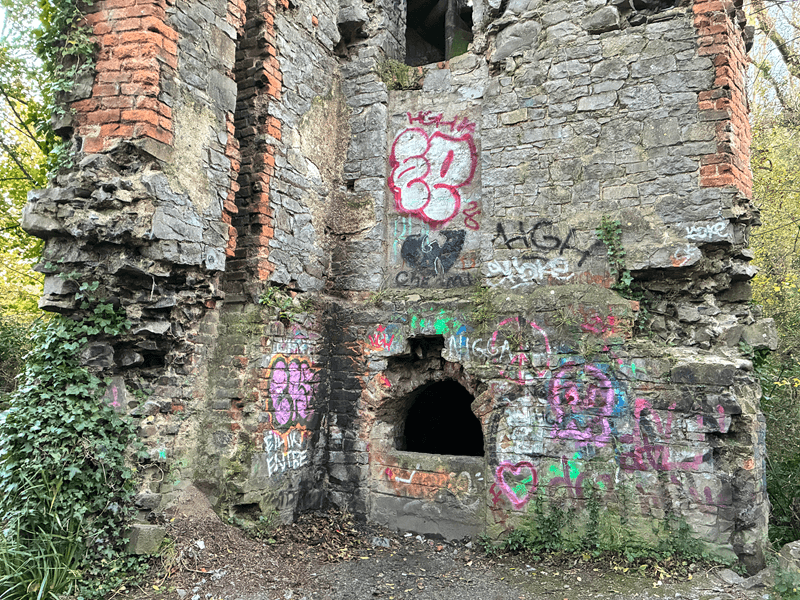
By the turn of the twentieth century, the milling business had ceased operating and the buildings gradually fell into disrepair. After decades of deterioration, most of the complex was demolished in the mid-1950s, with the distinctive staircase tower surviving as its most recognisable remnant [1], [2].
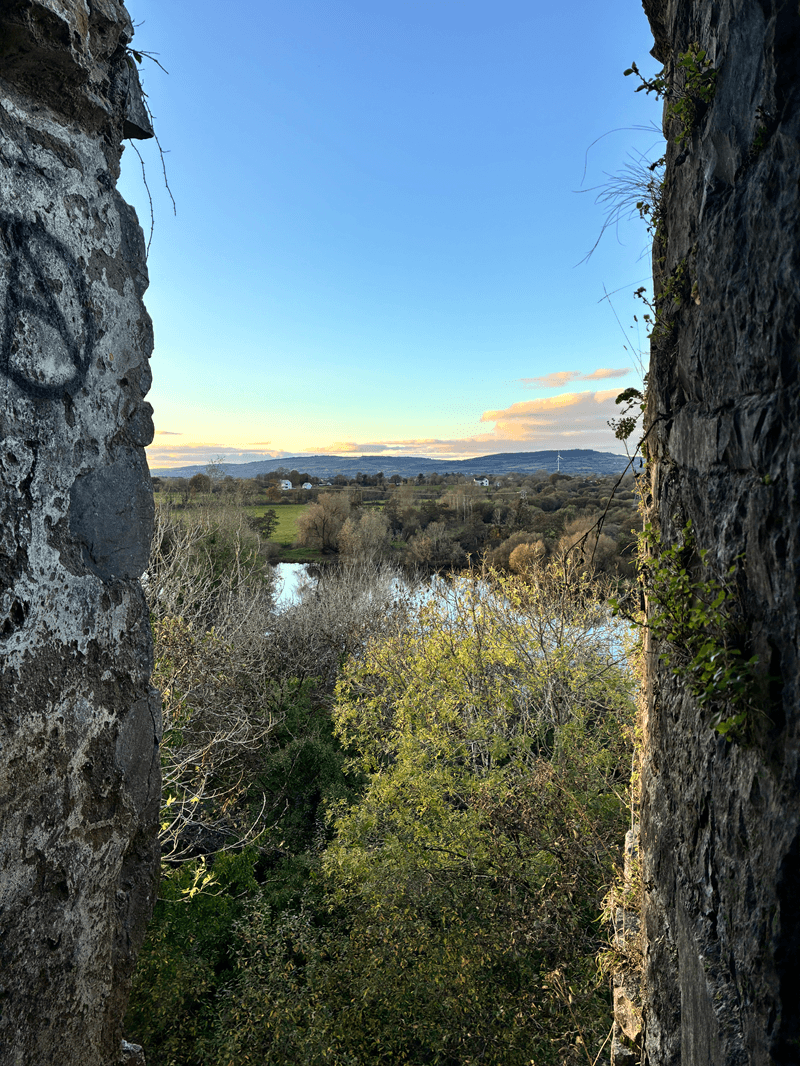
Today, the surviving tower, together with sections of the millrace, channels, bridges and associated masonry, preserves an important chapter of Limerick's industrial heritage. Although only fragments of the original complex remain, they offer a glimpse into the scale of the enterprise that once operated along this stretch of the Shannon.
References
- [1] Limerick City Greenway - Environmental Impact Assessment, Chapter 12: Cultural Heritage
- [2] National Inventory of Architectural Heritage - Plassy Mills (Registration No. 21900504)